
Back to the Basics: Public Access Terminals and Criminal Researchers
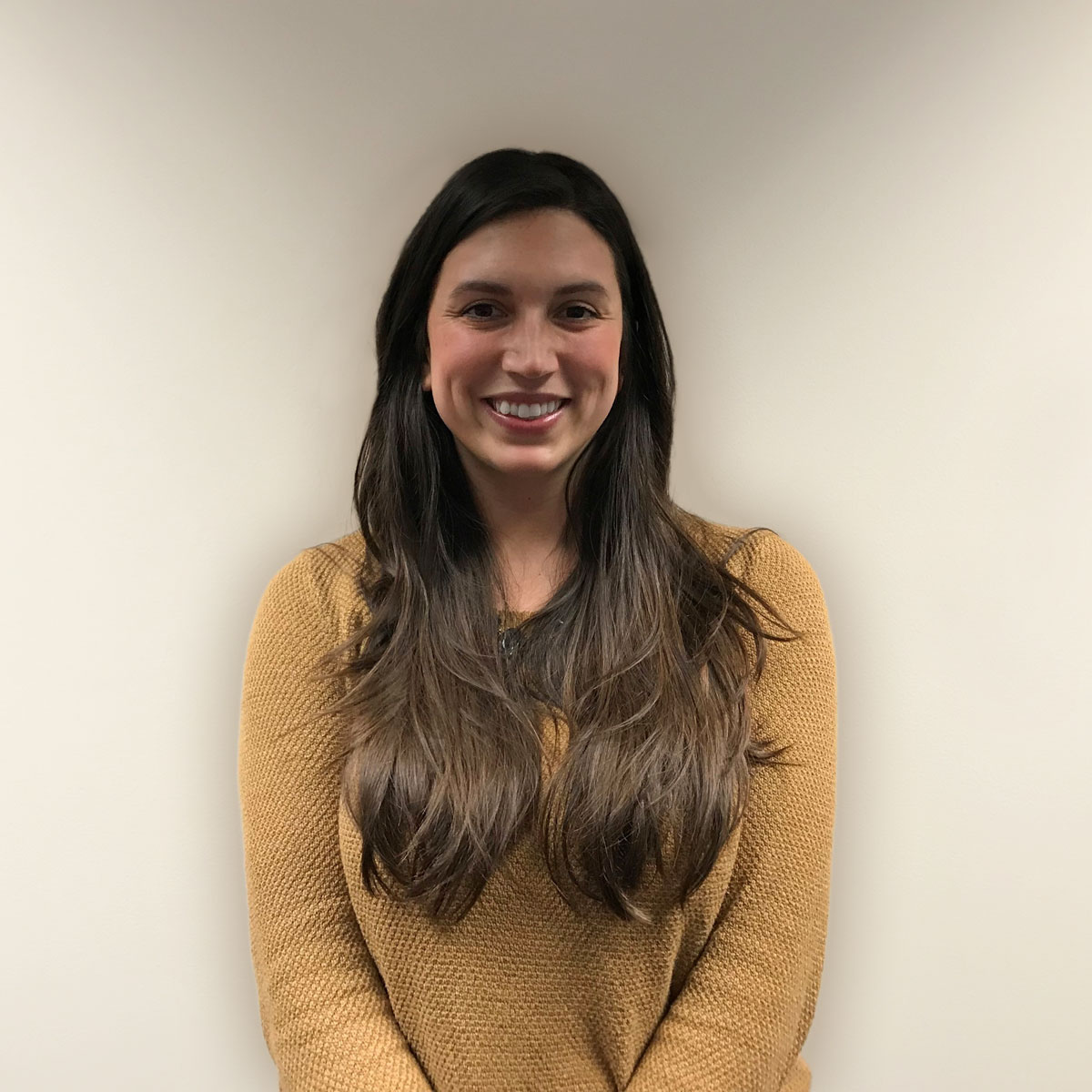
 Editor’s Note: We’re excited to announce our new “Back to the Basics” series, wherein we’ll take an in-depth look at some of the ins and outs of the background check industry. We’re starting off this week with a behind the scenes view of criminal research featuring one of our in-house researchers, Chelsea Swartz.
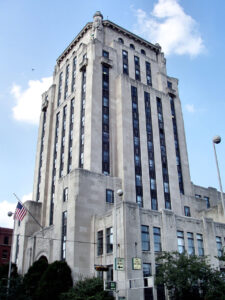
The sun is beaming and a breeze blows by as Chelsea and Sabrina Schnetzer, Social Media Specialist, step into a courthouse in Kentucky. The police officers there see Chelsea every day and greet her by name.
Sabrina is here to job shadow Chelsea Swartz, Criminal Research and Document Retrieval Specialist, for the day. They walk into the courthouse and go through a metal detector, head up three flights of stairs, and turn a corner. They arrive at the public access terminal with a few computers at desks.
What is a public access terminal?
A public access terminal is a service provided by the courts, for litigants and the public to access dockets, case reports, and other documents filed in county courts. These terminals are located inside each county courthouse. Citizens can typically search by name and date of birth for criminal records on any individual at these courthouse public access computers.
Although you would think that most public access terminals are accessed electronically, there are actually still some out there that are clerk-based. A clerk is an officer of the court whose main responsibility is to maintain records of the court. Counties that require clerk-based criminal research typically have processes that include providing a list of names to be searched and then waiting days or weeks for them to return the results. Some counties even still use ledger books or microfilm to store court records.
Criminal Record Database Search
From there, Chelsea sits down at one of the public access terminal computers and begins to work. She pulls out her list of applicants she received earlier that day and starts typing the names into the criminal records search. On a typical day, Chelsea may have around 300 applicant names to run criminal background checks on.
If Chelsea finds a criminal record in one of her searches, she makes a note of it. From there, she will write down information about the case including the case number, disposition date, filing date, charge description and sentencing information.
Chelsea transcribes case information from the criminal records database into our system, so it is readily available for our in-house team. The case information is then sent to quality assurance where they mark it complete and make it available to our clients. Sometimes cases need more information that is not accessible online, so Chelsea copies physical files from the court records and brings them into our office.
Did you know?
Did you know that each county has its own criminal records database, which is more accurate and up to date than the state’s criminal database? County criminal databases are more precise than the state’s, because cases are tried at the county level and then passed on to the state at their leisure.
SELECTiON.COM® has a nationwide network of court researchers in order to complete the thousands of requests we receive in a day. Since we are located in Cincinnati, our local clients get the added benefit of our in-house research team. We have employees who physically go into the county courthouses in Ohio, Kentucky and Indiana.
We hope you enjoyed seeing a behind the scenes of a day in the life of Chelsea, criminal researcher extraordinaire. Stay tuned to read more “Back to the Basics” articles.
Contact us today to see how SELECTiON.COM® can improve your background check process.


 On September 12, 2018, the Bureau of Consumer Financial Protection issued an interim final rule to update the model Summary of Consumer Rights and model Summary of Consumer Identity Theft Rights provided in Appendices I and K to Regulation V, which implement the Fair Credit Reporting Act.
